July 16, 2026
Raccoons are intelligent and adaptive creatures that can become a nuisance when they intrude into human habitats. As raccoons can carry diseases like rabies, which results in approximately 1.4 million Americans seeking healthcare annually for possible exposures, according to the CDC preventing their settlement close to human dwellings is critical. Let's explore a few methods used for wildlife removal and relocation.
Eliminating Food Sources
Eliminating accessible food sources is a foundational step in preventing raccoons from frequenting human properties. In gardens, fruits and vegetables that have fallen or are within easy reach should be cleared away nightly. For homeowners, maintaining a tidy yard free from any organic debris reduces points of attraction for these opportunistic scavengers. This reduction in accessible food goes a long way in dissuading visits from raccoons seeking easy meals.
Pet foods left outdoors are another common attraction for raccoons, who will readily consume both wet and dry forms of pet food. Bringing in pet dishes promptly after feeding times can mitigate the allure of these food sources. Additionally, bird feeders can inadvertently become raccoon buffets if not managed properly. Installing baffles to prevent raccoons from climbing feeder poles and selecting locations that don't permit easy access can control this issue effectively. A combination of these preventive habits helps ensure that raccoons don't associate human dwellings with readily available food.
Securing Trash and Compost
Securing trash and compost is critical when preventing raccoons from accessing human habitation. Garbage cans with locking mechanisms or heavy-duty latches deter persistent efforts by raccoons to tip or open receptacles. It's recommended to use robust bins resistant to overturning, minimizing opportunities for raccoons to forage through refuse. Placing these receptacles on stable surfaces limits the chance of being flipped over by these dexterous animals. By integrating thoughtful container management strategies into daily routines, homeowners fortify their defenses against exposure to raccoon intrusions.
For compost, using specialized containment units becomes necessary to prevent raccoons from viewing compost piles as a food source. Compost bins should be equipped with solid lids and should avoid including food scraps that attract wildlife. Reinforcing compost systems with mesh or wire adds an extra layer of deterrence against these wiry animals. Implementing these security methods not only reduces raccoon interest but also maintains the integrity of compost intended for environmental and horticultural benefits. Proper compost management ensures nutrient cycling without inadvertently enticing unwanted wildlife.
Regular maintenance of both trash receptacles and compost units ensures that enduring security measures are successful. Monitoring for signs of tampering, ensuring fully sealed trash, and inspecting the structural integrity of containers routinely help minimize vulnerabilities. When possible, positioning trash containers indoors, such as in garages, further limits raccoons' access during their nocturnal expeditions. These layered approaches collectively formulate a robust preventive strategy. Complementing these efforts with community awareness initiatives ensures a reduction in property damage and wildlife interaction risks.
Obstructing Potential Dens
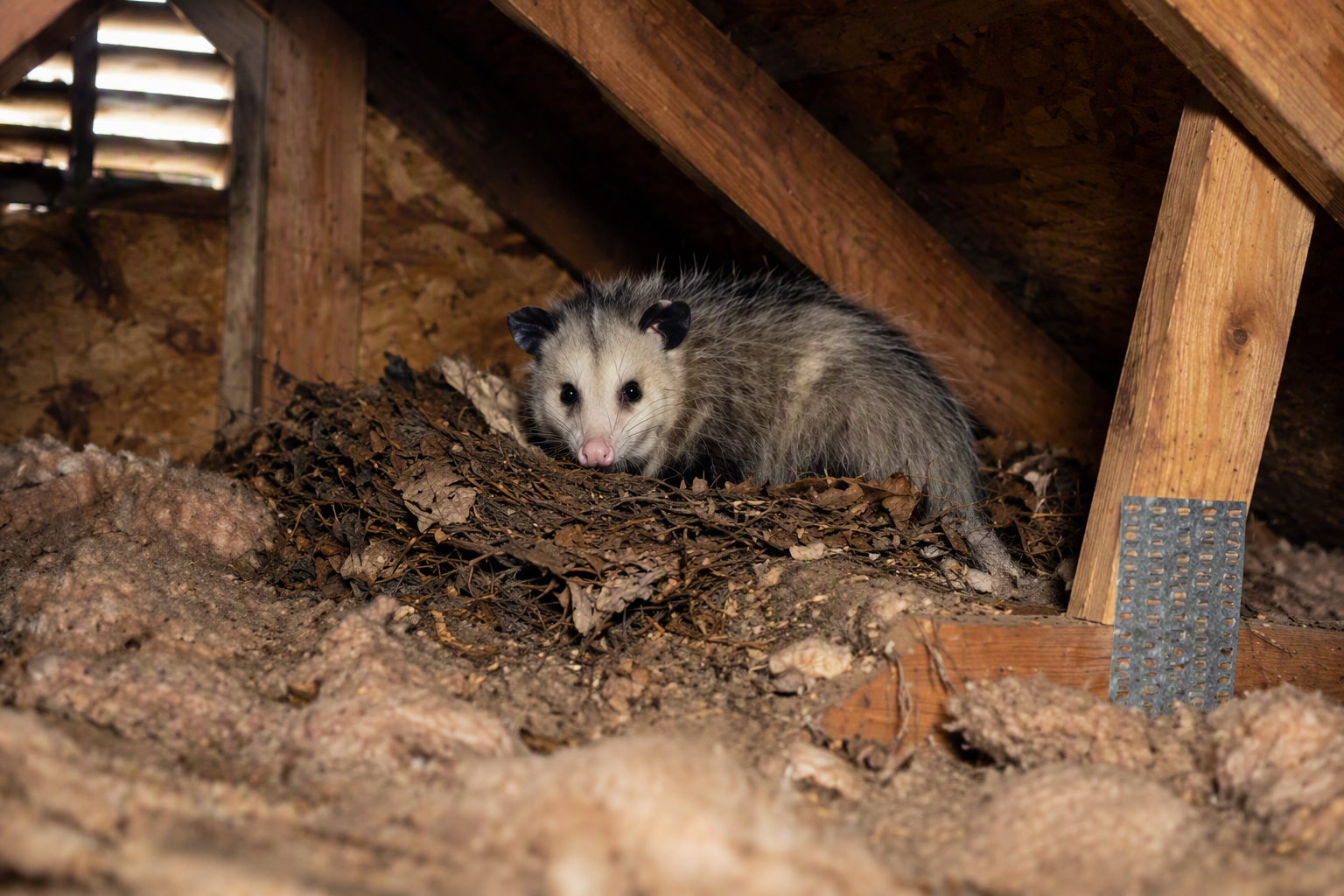
Raccoons seek safe, warm spaces, often utilizing attics, crawl spaces, or voids under decks as dens. Ensuring that these potential den sites are inaccessible forms a critical aspect of preventive wildlife removal. Begin by inspecting properties for gaps and holes and sealing all potential entry points using robust, weather-resistant materials. Metal flashing, heavy mesh, and durable caulking provide effective seals against determined raccoons. This precautionary approach prevents future invasions and deters raccoons from establishing long-term residences in human dwellings.
Decks and porches in particular offer raccoons secluded quarters for birthing and raising young, away from predators. Installing lattice work or hardware cloth around the perimeter of these structures, extending several inches underground, eliminates potential den areas. Foundation vents and chimneys should also be covered with raccoon-proof materials to prevent exploratory raccoons from discovering access points. By proactively examining possible nesting sites and promptly addressing vulnerabilities, property owners play an instrumental role in raccoon deterrence. Consistency in these checks and reinforcement enhances barriers to wildlife access.
It's also important to address factors that may inadvertently encourage raccoons to create dens. Conditions such as stacked firewood, overgrown vegetation, or dense shrubbery offer concealment spots and should be kept minimal or regularly maintained. Reducing or rearranging these elements aids in reducing potential hiding spaces. Educating neighbors about the importance of managing these features collectively can significantly improve overall deterrent effectiveness. Through shared efforts focusing on environmental management, communities can achieve better outcomes for wildlife removal.
Using Repellents and Deterrents
Chemical repellents and deterrents provide a supplementary line of defense in making a property less enticing to raccoons. Natural and commercial repellents can be used around gardens, trash bins, and potential enclosures to create unfavorable conditions for raccoons. Many repellents include active ingredients like capsaicin, commonly found in peppers, which operate on the raccoon's keen sense of smell. These substances can irritate raccoon senses, promoting avoidance without causing harm. By utilizing strategic placement of repellents, homeowners can further ensure that raccoons steer clear of key areas.
Deterrents such as motion-activated sprinklers, lights, or noise devices employ the element of surprise, exploiting raccoons' skittish nature. When raccoons attempt entry, the sudden activation of these devices startles and discourages further investigation. These interventions can prevent raccoons from forming habitual patterns or paths around properties, eventually seeking safer foliage elsewhere. Regularly adjusting the layout and timing of these devices maximizes their effectiveness. Leveraging new technologies for these humane deterrent strategies augments preventive measures effectively.
Homemade deterrents involving vinegar or ammonia-based solutions placed near potential access points can deter raccoon advancements due to their pungent odors. Utilizing these accessible materials in conjunction with commercial deterrents allows for a tailored, adaptive approach to property protection. Importantly, while engaging in the deployment of deterrents and repellents, it is crucial to ensure that human safety guidelines are adhered to. The responsible application of these methods ensures successful reduction of raccoon nuisances. Understanding these deterrent solutions can help contribute to long-term raccoon management success.
Creating a Raccoon-Unfriendly Yard
Designing landscapes that naturally repel raccoons serves as a sustainable approach to wildlife management. Incorporating thorny or prickly plants along boundary lines discourages raccoons from venturing into areas due to the discomfort these plants cause. Additionally, incorporating elements that make navigation challenging for raccoons, like uneven rock features, steers them away from gardens or yards. Homeowners can also opt for plant selections that do not bear fruits attractive to raccoons. These landscaping choices contribute to creating a less hospitable environment for raccoon activities, complementing other control measures.
Improved yard maintenance further discourages raccoons by reducing potential hiding spots or food sources. Consistently mowing lawns and trimming overgrowth prevents raccoons from hiding in unkempt vegetation, which also reduces rodent populations that attract raccoons. Removing woodpiles or stored materials that provide cover encourages raccoons to seek alternative, less conspicuous areas away from human property. A sense of constant disturbance discourages raccoons from considering yards as favorable turf for exploration or rest. Regular yard upkeep forms a pivotal foundation for prolonged raccoon resistance.
Using ground barriers, such as coarse gravel or wire mesh under soil, provides hindrances to burrowing or den formation. By integrating deterrent features into foundation zones and garden beds, the difficulty of creating nests or dens rises, pushing raccoons to seek less resistant territories. While these integrations require up-front labor, the long-term impact holds substantial promise for raccoon deterrent success. Collaborating with professional landscapers can assist in identifying and effectively deploying such raccoon-unfriendly alterations within outdoor spaces.
Ultimately, keeping these masked bandits at bay requires a layered, proactive approach rather than a single silver bullet. By combining consistent food and waste management with structural reinforcements and strategic landscaping, you can effectively transform your property from a raccoon paradise into an inhospitable zone. While these highly intelligent critters will always test boundaries, a persistent commitment to these humane preventive habits ensures that wildlife stays in nature where it belongs. To learn more, reach out to the
wildlife removal experts at Wildlife X Team today.