June 17, 2026
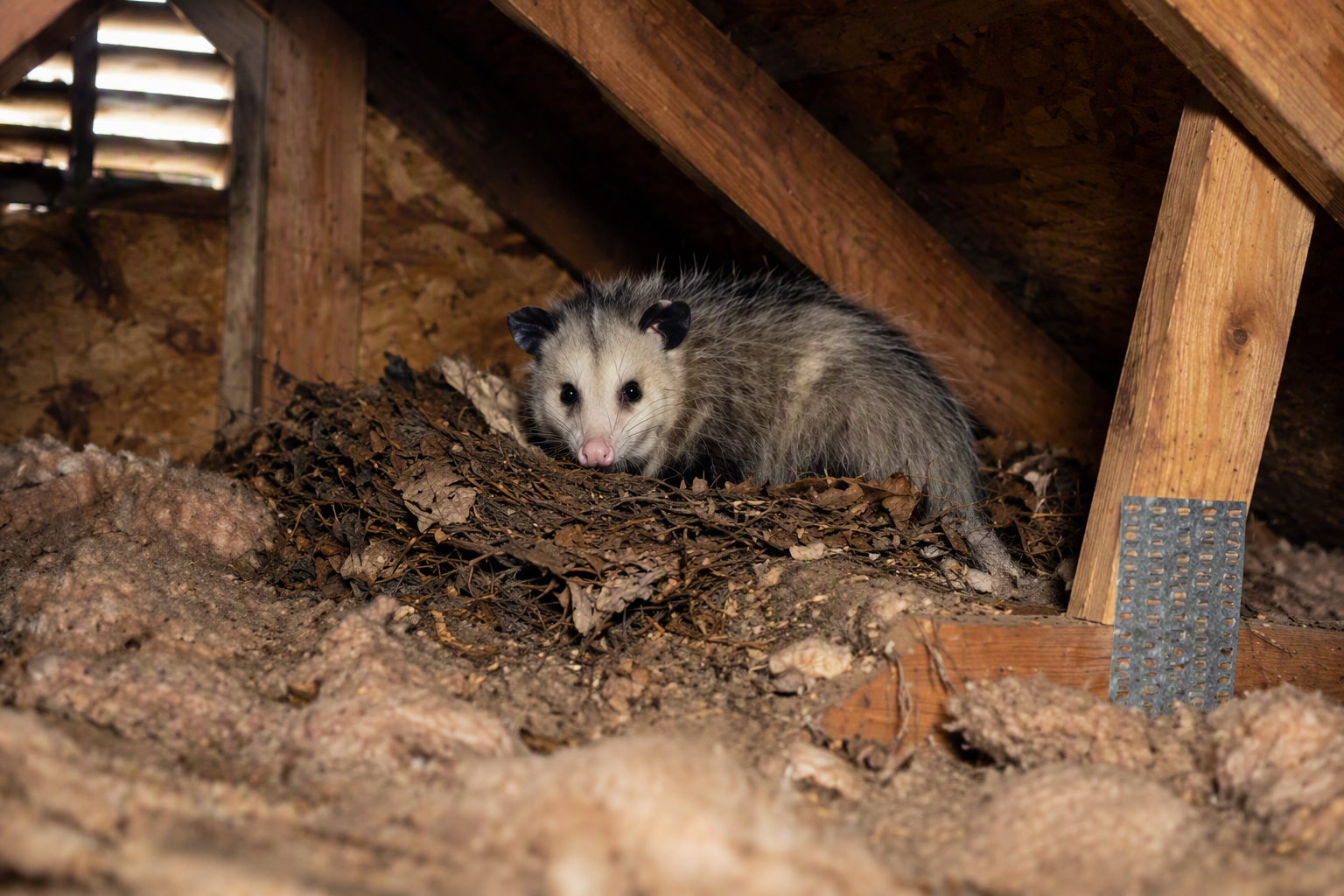
Attics often provide shelter, warmth, and protection for nuisance wildlife seeking a place to nest. Animals such as raccoons, squirrels, bats, rodents, and birds can enter through small openings and create problems that affect both the condition of a home and the comfort of its occupants. Wildlife activity in attics may lead to damaged building materials, contaminated insulation, unpleasant odors, and persistent noise.
Understanding the risks associated with attic intrusions and the methods used to address them can help homeowners take appropriate action. Professional wildlife control services focus on identifying animal activity, removing intruders, and implementing prevention measures designed to reduce the likelihood of future issues. Taking action early can help limit damage and support long-term property protection.
Attic Intruders Identified
Raccoons Identified
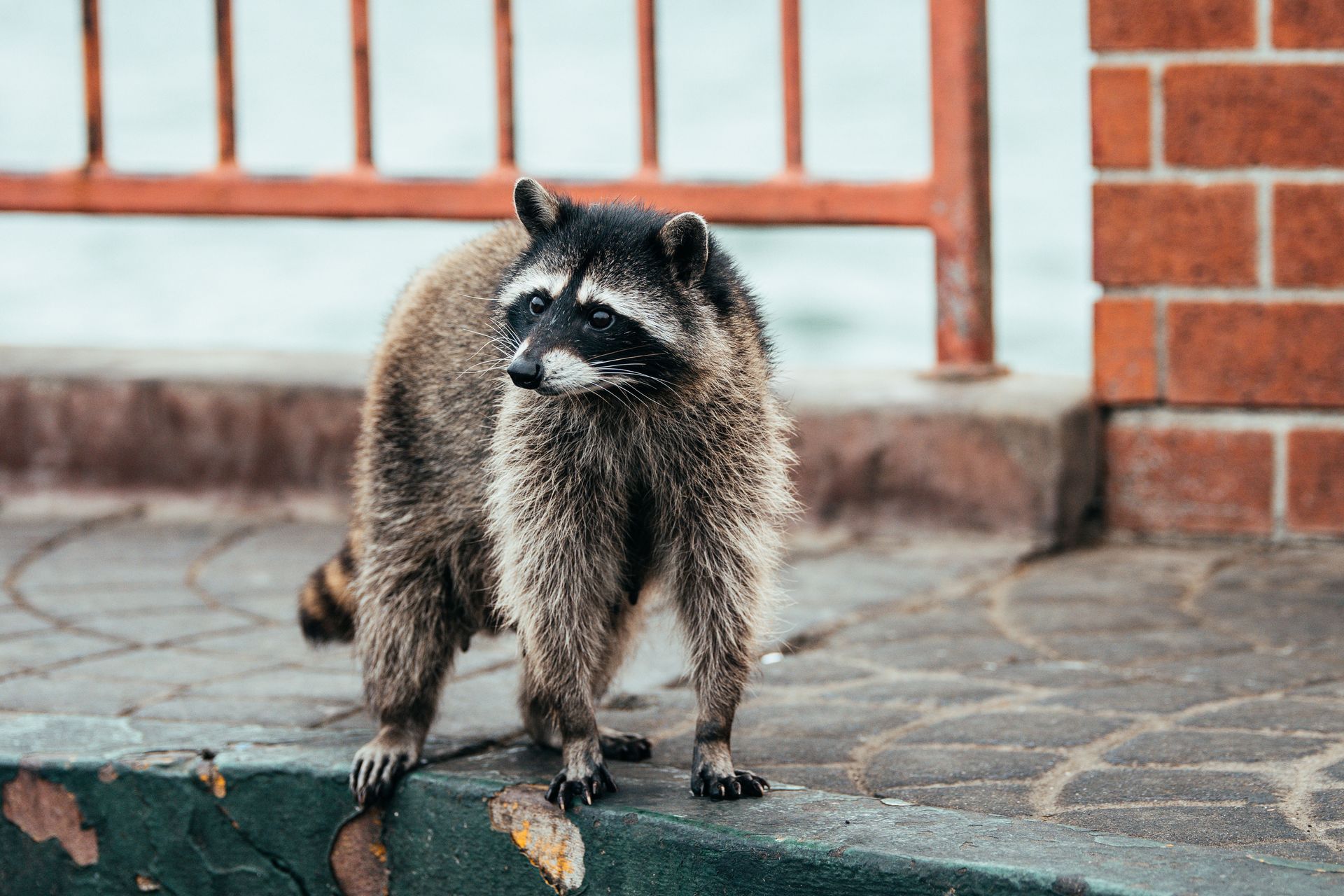
Raccoons are highly adaptable animals that frequently seek shelter in attics. They may enter through damaged roof areas, vents, or other structural openings. Signs of raccoon activity can include noises overhead, damaged exterior components, and nesting materials within the attic. According to the CDC, 75% of Americans live in areas where raccoons, skunks, or foxes pose ongoing rabies risks.
Squirrels Detected
Squirrels commonly enter attics by accessing roofs from nearby trees or structures. Their constant gnawing behavior can damage building materials and create openings that allow continued access. Homeowners often notice scratching or scurrying sounds during daylight hours when squirrels are most active.
Bats Monitored
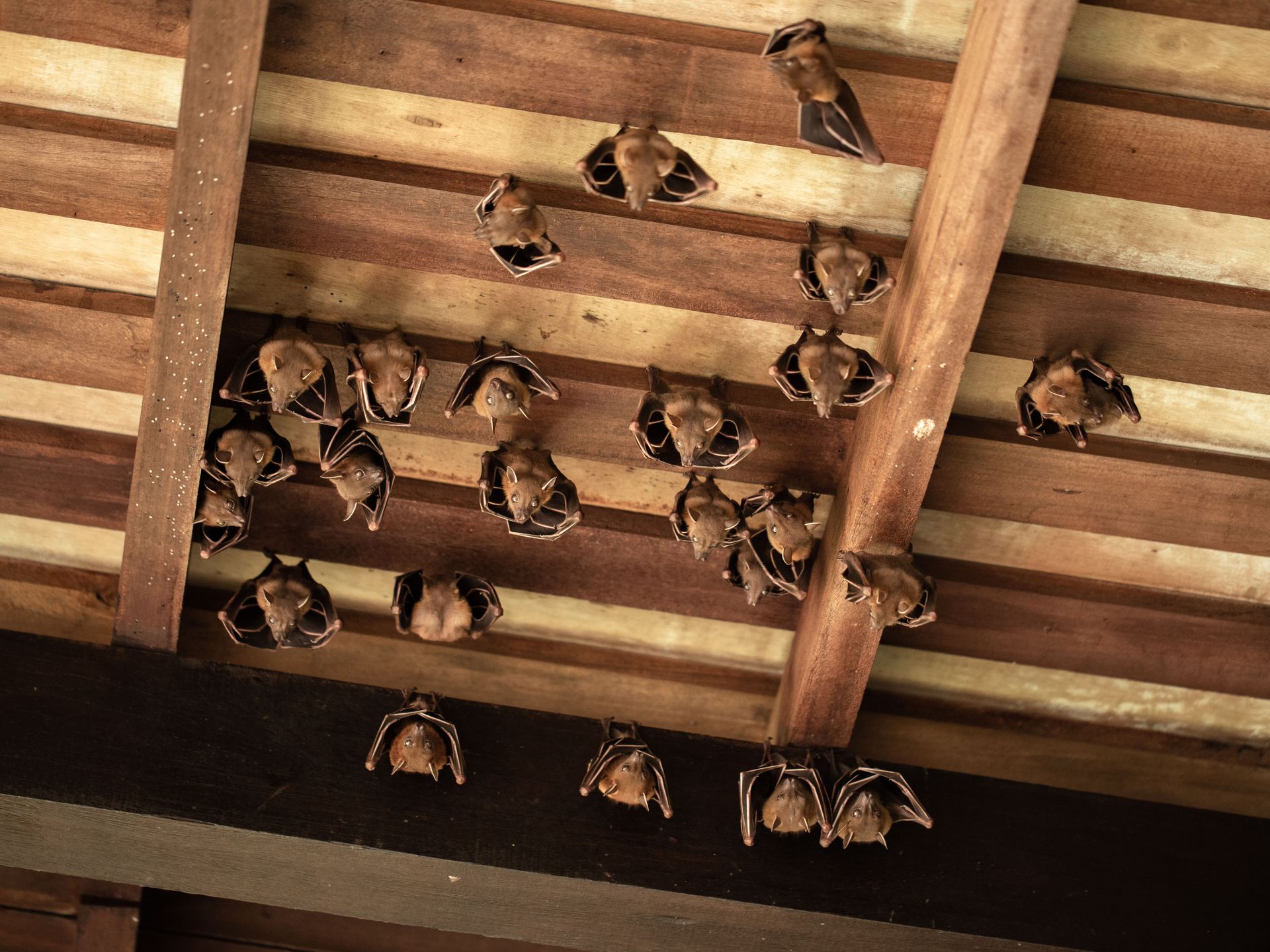
Bats can enter attics through surprisingly small gaps around rooflines, vents, and other exterior openings. While beneficial in natural environments, bats can create concerns when they establish roosting sites inside homes. The presence of bat droppings near entry points is often an indicator of activity.
Rodents Tracked
Rats and mice frequently invade attics in search of food and shelter. Because they can fit through very small openings, rodents may gain access through cracks, gaps, and utility penetrations. Common signs include droppings, gnaw marks, and scratching noises within walls or ceilings.
Birds Spotted
Birds may nest in attics, vents, eaves, and other protected areas around a structure. Nesting materials, feathers, and increased bird activity around a property can indicate an issue. Preventing birds from entering vulnerable areas is an important part of long-term wildlife management.
Wildlife Risks Increased
Health Concerns Assessed
Wildlife activity can introduce contaminants into attic spaces through droppings, urine, nesting materials, and other debris. These conditions may affect indoor environments and create sanitation concerns that should be addressed promptly. Early identification can help reduce the impact on occupied living spaces.
Structural Damage Inspected
Animals can damage roofing materials, vents, insulation, soffits, and other structural components while entering or occupying an attic. Over time, repeated wildlife activity may contribute to more extensive repair needs. Addressing problems early can help limit further deterioration.
Insulation Damage Reduced
Wildlife frequently disturbs attic insulation while nesting or moving through the space. Contamination and physical damage may reduce the effectiveness of insulation and affect overall attic conditions. Damaged insulation may also require additional evaluation after wildlife activity is addressed.
Noise and Disruption Recognized
Wildlife activity often produces scratching, scurrying, chirping, or other sounds that can disrupt daily life. These disturbances are commonly among the first signs homeowners notice when animals are present in an attic. Persistent activity can become increasingly noticeable over time.
Wildlife Control Methods Applied
Inspection and Assessment Performed
A thorough wildlife inspection helps identify active infestations, locate entry points, and evaluate the extent of any damage. Attics, roof systems, vents, and other exterior features are commonly assessed to determine the most appropriate course of action. Wildlife control services often begin with a detailed inspection process.
Trapping and Removal Executed
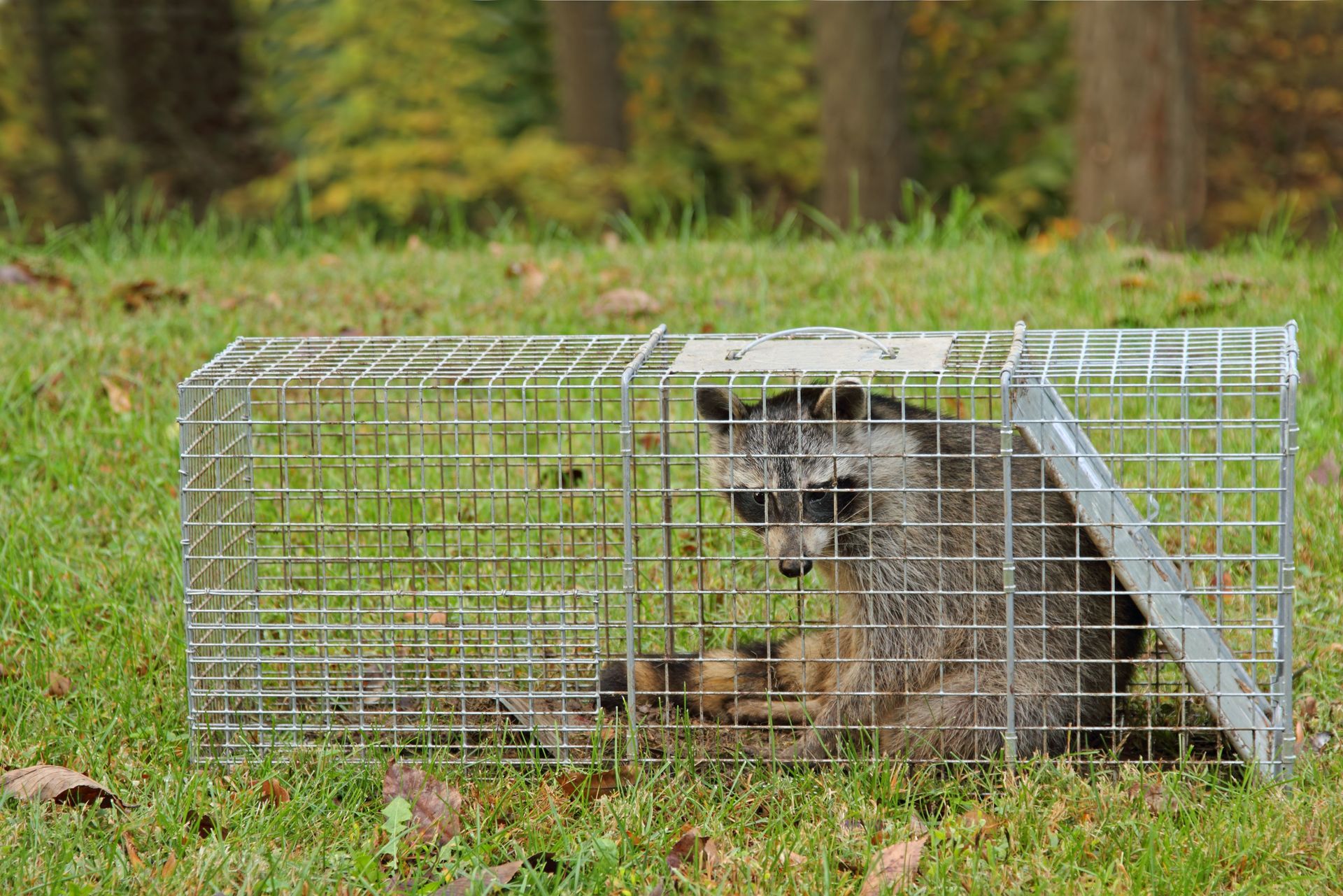
When wildlife has already established itself in an attic, professional removal methods may be necessary. The appropriate approach depends on the species involved, the location of the activity, and applicable wildlife regulations. Removal efforts are often combined with prevention measures for long-term results.
Wildlife Exclusion Strategies Implemented
Wildlife exclusion focuses on reducing opportunities for animals to enter attics, crawl spaces, and other enclosed areas. Identifying and addressing vulnerable locations around a structure can play an important role in protecting a property from recurring wildlife issues. Wildlife control services emphasize exclusion as part of long-term management.
Regular Maintenance Maintained
Routine maintenance can help homeowners identify developing concerns before they become larger problems. Monitoring rooflines, vents, exterior openings, and other vulnerable areas may help reduce the risk of wildlife intrusions. Consistent upkeep can also help reveal potential access points sooner.
Wildlife Activity Prevented
Common Entry Areas Located
Wildlife frequently gains access to attics through roof gaps, damaged vents, soffits, eaves, and similar openings. Regular inspections can help identify these vulnerabilities before animals take advantage of them. Small openings can become larger concerns if they are left unaddressed.
Exclusion Importance Strengthened
Exclusion measures are designed to help prevent wildlife from accessing structures. Addressing potential entry points can reduce the likelihood of recurring activity while helping protect the condition of the property. Wildlife control services frequently use exclusion methods to support lasting results.
Early Signs Detected
Unusual noises, droppings, nesting materials, and unexplained odors can all indicate wildlife activity. Recognizing these signs early may help limit damage and simplify removal efforts. Early detection can also make prevention planning more effective.
Vulnerable Areas Protected
Attics, crawl spaces, roof systems, vents, and other enclosed areas often attract animals seeking shelter. Regular inspections and proactive maintenance can help identify developing concerns before significant damage occurs. Protecting these areas can reduce the likelihood of recurring issues.
Wildlife Activity Responded Promptly
Allowing wildlife activity to continue unchecked can increase the potential for property damage and contamination. Prompt inspections and corrective measures can help reduce these risks and support long-term prevention efforts. Wildlife control services can help address active issues while supporting future prevention.
Wildlife Vulnerability Areas Identified
Roof Vents Checked
Roof vents are common access points for wildlife seeking shelter. Damaged or unsecured vent openings may allow animals to enter attic spaces and establish nesting areas. Regular evaluations can help identify developing concerns.
Soffits and Eaves Examined
Soffits and eaves can become vulnerable when building materials deteriorate or gaps develop over time. These areas are frequently evaluated during wildlife inspections. Addressing issues in these locations may help reduce access opportunities.
Attic Insulation Inspected
Insulation is often affected when animals nest or travel through attic spaces. Wildlife activity can leave behind contamination and physical damage that may require further attention. Evaluating insulation conditions can help determine the extent of the impact.
Chimneys and Vent Openings Evaluated
Chimneys and exterior vent openings can attract wildlife looking for protected spaces. Evaluating these areas can help identify conditions that contribute to animal activity. Preventive measures may help reduce future access.
Exterior Building Gaps Sealed
Small openings around rooflines, siding transitions, and utility penetrations may provide wildlife access to interior spaces. Locating and addressing these gaps is an important part of prevention efforts. Closing potential entry points can help support long-term protection.
Attic wildlife activity can affect the condition of a home and create ongoing concerns if left unaddressed. Recognizing the signs of an intrusion and taking steps to address potential entry points can help reduce the likelihood of damage and recurring animal activity. Early action can help preserve the condition of vulnerable areas throughout the property.
From inspections and removal services to exclusion and prevention strategies, a comprehensive approach can help protect vulnerable areas of a property. Professional wildlife control services can play an important role in managing active infestations and reducing future risks. To learn more about available wildlife control solutions and attic intrusion services, contact Wildlife X Team.