November 20, 2026
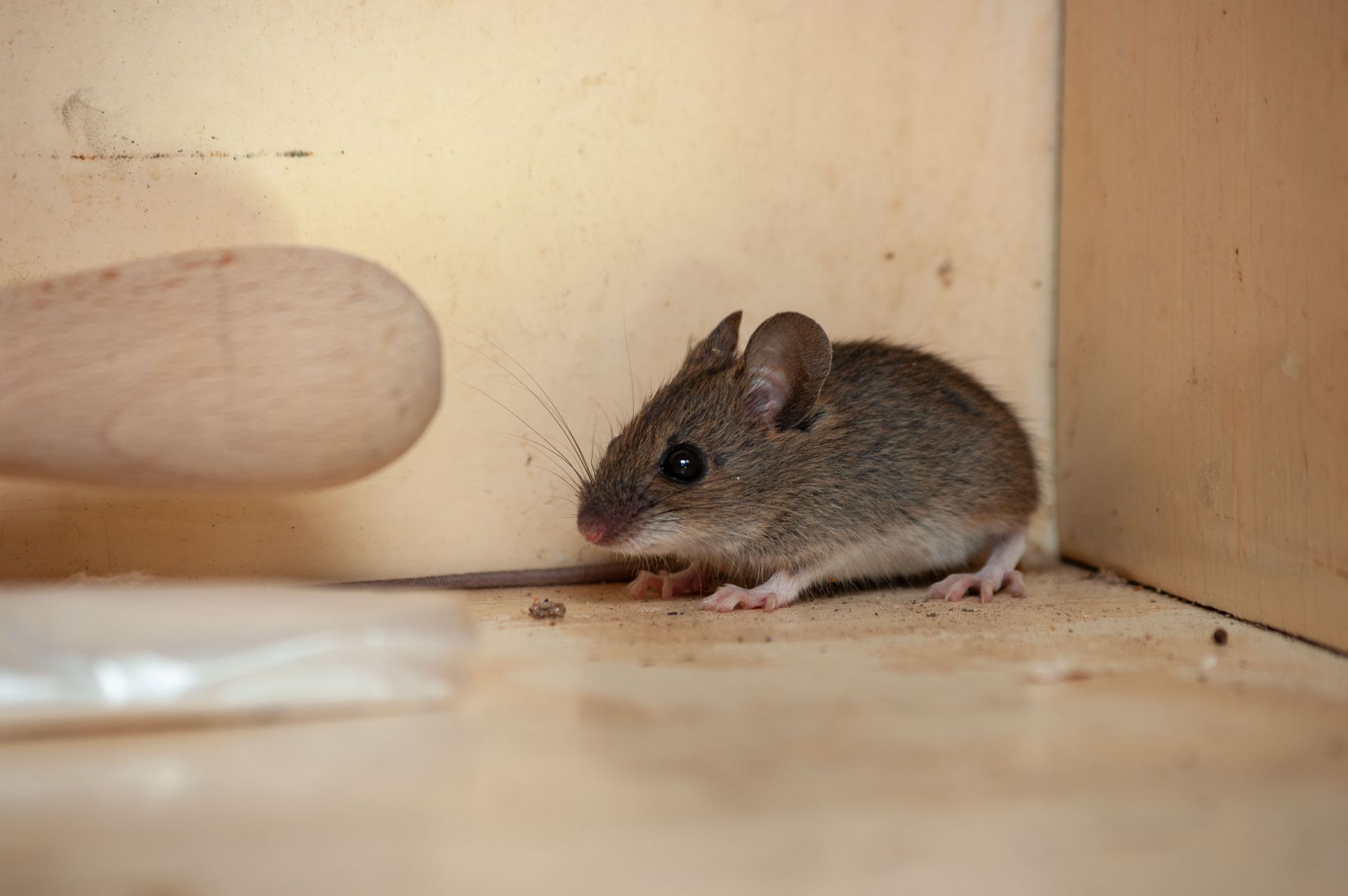
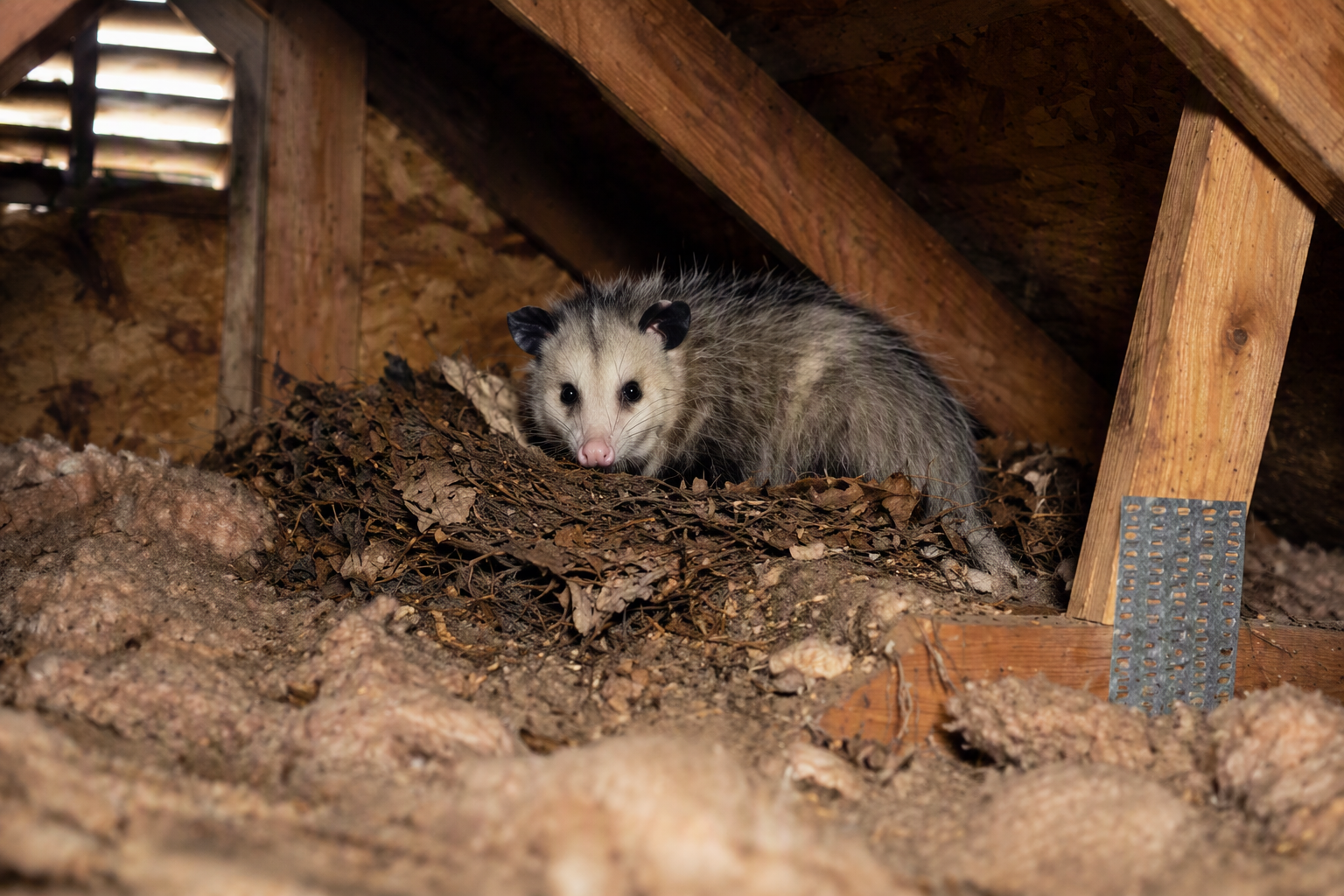
Homeownership comes with a long list of responsibilities. You maintain the yard, fix leaky pipes, and try to keep everything clean. Sometimes wild animals decide your cozy house is the perfect place for them to settle down. Mice and rats are common invaders that sneak indoors when temperatures drop, or food becomes scarce outside. They squeeze through tiny cracks and establish nests behind your walls. You might not see these nocturnal creatures at first. They are skilled at staying hidden during daylight hours.
Paying attention to subtle signs can save you from a major infestation. Ignoring the problem only gives these animals more time to multiply and cause severe property damage. They pose health risks to you and your family by spreading bacteria. Recognizing the early warning signs helps you take action before the situation gets out of hand. If you notice any of the following four signs, it's probably time to look into rodent pest removal services. Prompt action protects your property and quickly restores your peace of mind.
1. Discovering Droppings Around Your Home
Finding small droppings inside your cabinets or along your baseboards is a strong indicator of an issue. These dark pellets are often the first physical evidence homeowners notice. Professional rodent pest removal services often look for droppings to identify the type of animal infesting the building. Mice leave behind small pellets with pointed ends, while rats leave larger droppings with blunt ends.
You'll usually find this evidence in areas where animals forage for food. Pantries, cupboards, and the spaces behind your kitchen appliances are prime locations for discovering droppings. You might also find them along the walls in your basement or attic since these creatures prefer to travel along edges rather than crossing open spaces. Seeing a few pellets might seem minor, but it indicates a larger population hiding nearby.
Cleaning up this mess requires caution. Sweeping or vacuuming can release harmful particles into the air. You should wear gloves and use a disinfectant spray to wipe up the area safely. Merely cleaning the surface doesn't solve the root problem. The animals will keep coming back every night to leave more droppings until you address the infestation at its source.
As you inspect your home, pay close attention to the quantity and freshness of the waste. Fresh droppings are dark and moist, signaling an active and ongoing problem. Older droppings look gray and crumble easily. A continuous supply of fresh pellets means the animals have established a steady route through your living spaces.
2. Finding Gnaw Marks on Furniture and Wires
Mice and rats have teeth that never stop growing. To keep their incisors filed down, they constantly chew on whatever materials they can find inside your house. You might notice small scratch marks or chewed edges on your wooden furniture, wooden trim, or storage boxes. They'll chew through drywall, plastic pipes, and cardboard without hesitation.
This chewing habit goes beyond being a simple household nuisance. According to Science Advances, rats cause an average $27 billion worth of damage annually across the U.S. They rip up insulation to build their nests and destroy valuable belongings stored in your garage or attic. The structural damage can weaken support beams over time.
The most dangerous target for their chewing is your electrical wiring. When animals gnaw on wires, they strip away the protective rubber coating. Exposed wires create a severe fire hazard that puts your home at risk. Many unexplained house fires are traced back to electrical shorts caused by chewed wires hidden behind walls. Engaging rodent pest removal services can help prevent this dangerous scenario.
Inspect the hidden corners of your house for these bite marks. Look closely at the edges of your baseboards and around any small holes in the drywall. If you see light-colored wood exposed beneath the paint or stain, the damage is likely recent. Finding these marks means the animals are actively altering your home to suit their needs.
3. Hearing Strange Scratching Sounds at Night
These animals are primarily nocturnal, meaning they do most of their moving around long after the sun goes down. When the house gets quiet at night, you might start hearing unsettling noises from your ceilings or walls. Scratching, scurrying, and squeaking sounds are clear indicators that uninvited guests are living in your home.
These sounds usually happen when the animals wake up and begin foraging for food or building their nests. You might hear them running across the drywall in your ceiling or climbing up the wooden studs inside your walls. If you schedule professional pest experts, the technicians will ask you where and when you hear these noises to locate the main nesting sites.
The volume and frequency of the sounds can tell you a lot about the severity of the problem. A single mouse might only make a faint rustling noise every once in a while. If you hear loud thumping, frantic scratching, or multiple scurrying sounds at once, you're likely dealing with a larger animal or a significant colony.
It's easy to dismiss these noises at first. You might think the house is just settling or that a tree branch is scraping against the roof. Consistent sounds that occur around the same time every night shouldn't be ignored. Paying attention to these auditory clues helps you catch the infestation before it spreads to other areas of the building.
4. Spotting Greasy Smudge Marks on Baseboards
Wild animals aren't known for their hygiene. As they travel through your house, they carry dirt, natural oils, and grime on their fur. Because they have poor eyesight, they rely heavily on their whiskers and memory to navigate. They tend to run along the same paths every single night, pressing their bodies tight against the walls to feel secure.
Over time, this repeated contact leaves behind dark, greasy smudge marks. You'll typically find these rub marks along the bottoms of your walls, around small entry holes, and along the edges of your floorboards. These stains are a surefire sign that an animal is using that specific route as a regular highway through your house.
The darker the smudge mark, the more frequently the path is being used. If you try to wash the stain away and it reappears a few days later, you've got an active infestation on your hands. Tracking these greasy trails can help you figure out where the animals are hiding and how they're getting into different rooms.
Spotting these dirty, greasy trails around your home is a clear warning sign. It shows that the animals feel comfortable enough to establish permanent routes through your living space. You need to call rodent pest removal services to evaluate the situation when you notice these dark streaks building up along your baseboards.
Dealing with a wild animal infestation is a stressful experience for any homeowner. The longer you wait to address it, the more difficult it becomes to resolve. Taking quick action when you notice droppings, gnaw marks, scratching sounds, or greasy smudges is crucial. Professional rodent pest removal services offer the expertise required to eliminate the problem safely and efficiently.
Protecting your home requires daily vigilance and a strong willingness to tackle problems head-on. You don't have to share your living space with destructive and unsanitary guests. Call Wildlife X Team today to schedule your rodent pest removal services and take back your home.